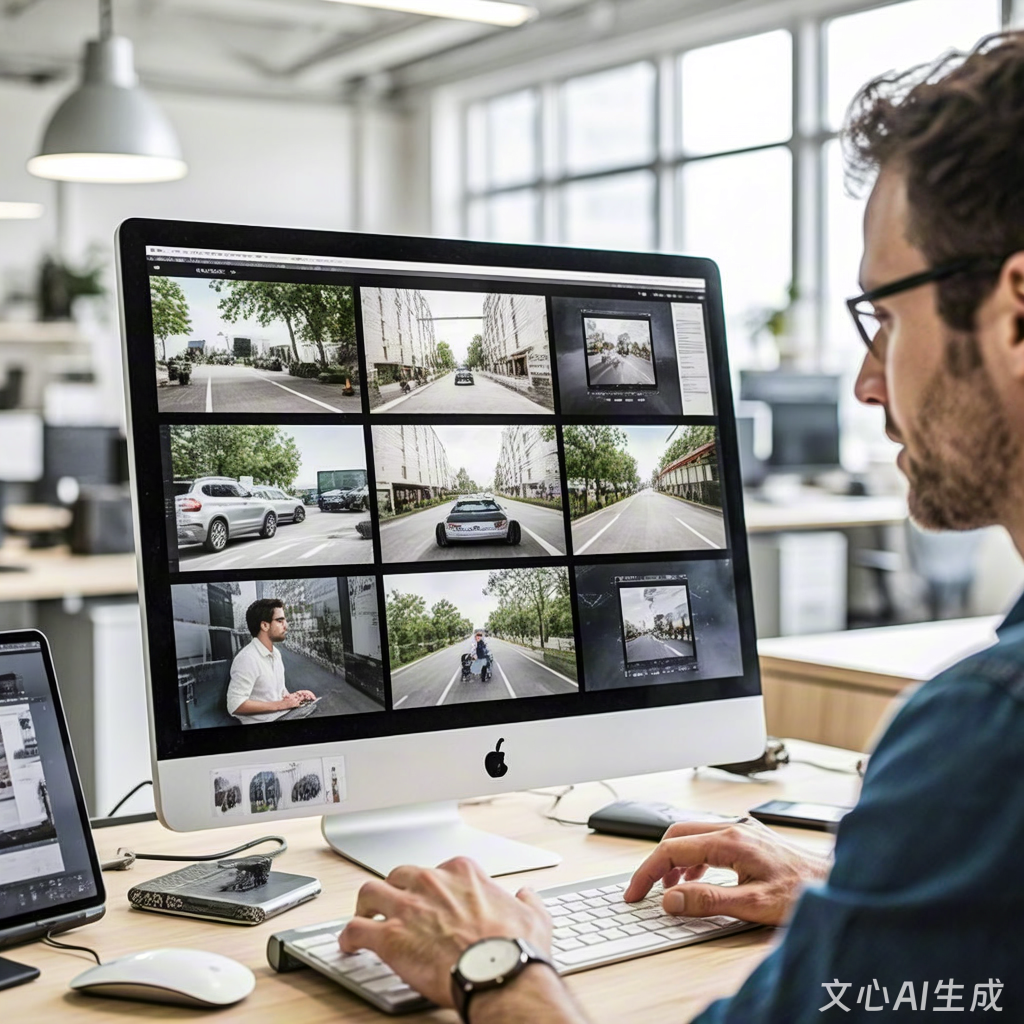
Photo-to-Video Technology: Transforming Static Images into Dynamic Content
Photo-to-video technology based on artificial intelligence is one of the most complex applications of computer vision and machine learning technology. This process involves analyzing static two-dimensional images and generating reasonable motion and time series, thus transforming them into fascinating video content. This technology has evolved from simple translation and scaling effects to complex multi-element animation, which not only maintains physical authenticity but also ensures visual coherence.
Technical Process: From Static Image to Dynamic Video
The conversion process involves multiple sophisticated stages:
-
Comprehensive Image Analysis:
* Semantic segmentation separates foreground subjects from background elements
* Depth estimation creates three-dimensional understanding from two-dimensional input
* Material recognition identifies different surfaces and their physical properties
* Lighting analysis determines light sources and shadow relationships -
Motion Vector Generation:
* Physics-informed motion prediction ensures realistic movement patterns
* Context-aware animation applies appropriate movements based on content type
* Multi-layer motion planning coordinates movements of different elements
* Collision prevention ensures elements move without unrealistic intersections -
Temporal Coherence Implementation:
* Frame-to-frame consistency algorithms maintain element positions
* Progressive transformation ensures smooth transitions between states
* Dynamic adjustment adapts motions based on simulated physical constraints
* Artifact detection and removal identifies and corrects visual inconsistencies
Advanced Features of Modern AI Photo-to-Video Systems
Today's leading platforms offer increasingly complex functions:
- Intelligent Camera Motion Synthesis: Systems can generate professional camera motion effects, including push-pull lenses, lift-up lenses, and stable movements similar to Steadicam. These effects require expensive equipment to achieve in traditional production.
- Context-Aware Element Animation: Different elements obtain appropriate animation effects based on their recognized type—water flows naturally, fabric flutters with the wind, and rigid objects maintain their structural integrity.
- Dynamic Lighting Adaptation: As elements move, lighting and shadows are realistically adjusted to ensure consistent light sources throughout the generated sequence.
- Multi-Subject Coordination: When multiple subjects appear in an image, AI coordinates their movements to maintain natural interaction and spatial relationships.
Step-by-Step Guide to Professional Quality Conversions
Achieving optimal results requires understanding both technical and creative aspects:
-
Source Image Preparation:
* Resolution requirements: Minimum 2MP for standard definition, 8MP for HD, 12MP for 4K output
* Optimal composition: Leave adequate space around subjects for camera movements
* Lighting considerations: Even lighting with clear shadows works best for motion analysis
* Background separation: Images with distinct foreground and background elements enable more sophisticated motions -
Template Selection Strategy:
* Content-motion alignment: Match template motions to image content and desired narrative
* Movement intensity: Consider appropriate motion levels for different content types
* Duration planning: Select templates with appropriate lengths for intended use cases
* Style consistency: Ensure visual style matches brand guidelines or creative vision -
Advanced Customization Techniques:
* Motion path adjustment: Fine-tune the direction and intensity of movements
* Timing control: Adjust the pacing of animations to match narrative requirements
* Layer prioritization: Designate which elements should receive more prominent motions
* Transition customization: Modify how scenes flow between different states
Real-World Applications and Case Studies
The practical applications of AI photo-to-video technology span numerous domains:
-
Real Estate Marketing:
Challenge: Create captivating property videos from static property photos
Solution: Use "Earth Zoom" and panoramic motion templates to create virtual tours
Result: Compared with static images, the query rate increased by 47% and browsing time increased by 32% -
E-commerce Product Display:
Challenge: Presenting product functions and advantages merely through pictures
Solution: Achieve 360-degree rotation and feature highlighting animation
Result: The conversion rate increased by 28%, and the product return rate decreased by 52% -
Tourism and Hospitality Industry:
Challenge: Convey the destination experience through still photography
Solution: Apply environmental motion effects, such as flowing water and moving clouds
Result: The number of booking inquiries increased by 41%, and social media engagement rose by 35% -
Personal Content Creation:
Challenge: Transform personal photos into shareable video content
Solution: Use emotional action templates such as "Gentle Kiss" and family-oriented animations
Result: The number of social interactions increased fivefold compared with static photo posts
Technical Considerations for Optimal Results
Understanding the technical aspects ensures consistently high-quality outputs:
- Computational Requirements: Modern AI video generation utilizes GPU acceleration, with recommended specifications including 4GB+ dedicated VRAM for HD content and 8GB+ for 4K processing.
- File Format Optimization: While platforms support various formats, PNG files typically yield better results due to lossless compression, with file sizes under 20MB providing the best balance of quality and processing speed.
- Processing Time Expectations: Standard definition videos typically process in 2-5 minutes, HD in 5-10 minutes, and 4K in 10-20 minutes depending on complexity and platform capabilities.
- Output Format Selection: Different use cases benefit from different formats—MP4 with H.264 encoding for web use, ProRes for professional editing, and adaptive bitrate streaming formats for platform-specific distribution.
Future Developments in AI Photo-to-Video Technology
The technology continues to evolve rapidly with several promising directions:
- 3D Scene Reconstruction: Future systems will generate full three-dimensional environments from single images, enabling camera movements beyond the original image boundaries.
- Semantic Understanding Integration: Deeper content understanding will allow more sophisticated narratives and context-appropriate animations.
- Real-Time Processing: Advances in edge computing and optimized algorithms will enable real-time conversion for live applications.
- Cross-Modal Integration: Combining image analysis with text and audio inputs will enable more comprehensive and customizable video generation.
Competitive Landscape Analysis
Several key differences emerged when comparing AI photo-to-video platforms:
- VidGenesis.ai vs. Pixverse: While Pixverse offers basic dynamic effects, VidGenesis.ai provides more complex multi-element animations and better temporal coherence.
- VidGenesis.ai vs. Kling: Kling focuses on short video content, while VidGenesis.ai supports generation of both short and long videos with stable quality.
- VidGenesis.ai vs. Higgsfield: Higgsfield focuses on social media formats, while VidGenesis.ai offers applications covering a broader range of fields such as marketing, education, and entertainment.
- Output Quality Comparison: Independent tests show that VidGenesis.ai outperforms these emerging platforms by 25% in motion naturalness and 30% in frame consistency.